








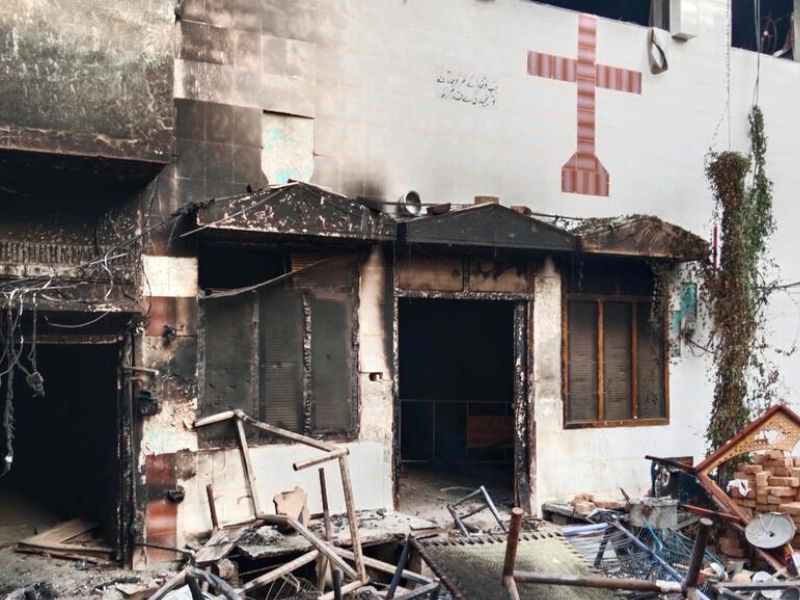
Utilizar las acusaciones de blasfemia como arma no es nada nuevo en Pakistán. La situación ahora va más allá.
Los miembros de una creciente red organizada dedicada a la incitación a la blasfemia están intentando activamente engañar a la gente para que cometa "blasfemias" en las redes sociales.
Algunos funcionarios paquistaníes, incluidos miembros de la Agencia Federal de Investigación (FIA) del país, trabajan de forma independiente para la red de blasfemia. Haciendo uso de su poder policial, realizan arrestos que, en esencia, son secuestros.
El objetivo principal es extorsionar a la víctima para obtener sobornos a cambio de retirar los cargos penales. El trato que reciben estas personas bajo custodia es terrible. En al menos varios casos, los abusos han tenido consecuencias fatales.
Ningún grupo demográfico en Pakistán está a salvo de las acusaciones de blasfemia con fines de lucro. Pero las minorías religiosas —cristianos, hindúes y ciertas sectas dentro del islam consideradas heréticas— corren un mayor riesgo.
Las acusaciones de blasfemia contra una minoría religiosa pueden volverse tan violentas que todos los miembros de la comunidad del acusado tienen que huir de sus hogares. Algunos ataques de turbas pueden destruir decenas de casas a la vez.
Al intentar hablar de este tema con cristianos en Pakistán, su paranoia es palpable. Podrían decir: «Las preguntas que haces son muy delicadas». También podrían mencionar que alguien está «reuniendo pruebas» en su contra.
Aunque vean el rostro de un occidental al otro lado de una videollamada de WhatsApp, podrían decidir que es demasiado arriesgado hablar de esos temas.
Es comprensible. Y cuanto más aprendas sobre este tema, más comprensible te resultará.
“Simon”, un cristiano pakistaní, confirmó que la mayoría de las acusaciones de blasfemia en la actualidad se refieren a supuestos comportamientos en plataformas de redes sociales.
Según explicó, algunas personas acosan en línea a las minorías religiosas paquistaníes y las incitan a decir algo que podría interpretarse como blasfemo. «Si eligen a alguien como objetivo, intentan encontrar cualquier resquicio en sus publicaciones [en redes sociales] que puedan aprovechar», añadió.
Someone with bad intentions may start a dialogue online with a person in Pakistan and reveal a personal detail to build an atmosphere of trust before steering the conversation toward faith, before finally touching on the country’s dominant religion.
At this point, if the target says even one thing that might be regarded as critical, mocking, or theologically controversial, then he’s in big trouble. Just take a screenshot of the “offending” message, and you have indestructible evidence.
Now you can start extorting him. Or have a few select officials visit him. If the target stays defiant in the face of such pressure, then leak the screenshot to his employer, his family, and, of course, the local imams and activists — they’ll gladly handle it from there, with layers of institutional support behind them.
In many cases, the victim might not personally make any comment at all. Instead, they are enticed to join a Facebook or WhatsApp chat or group where blasphemous material is shared.
One common method is to have a photogenic female — or someone using a photogenic female profile pic — search for young men on WhatsApp and persuade them to join a particular WhatsApp group.
In some cases, the target joins a WhatsApp group and is promptly given administrative privileges. Then the preexisting group administrator exits, leaving the new guy as an administrator of a “blasphemous” group whose content he didn’t even know about.
The previous administrator then takes the necessary screenshots and reaches out to other members of the blasphemy network. Now the victim’s life faces ruin due to blasphemous material he did not ask for and most likely did not even want to see.
Pakistan’s blasphemy business network started in the city of Rawalpindi and the capital of Islamabad, but has since expanded across much of the country. Aside from connections to Pakistani officials, the network also has connections to prominent Islamic religious scholars.
At blasphemy trials in Pakistan, mobs often surround courthouses to make sure that judges issue the “correct” ruling.
It seems many of these mob participants are motivated more by profit than spiritual indignation. This motivation became clear during disputes between mob organizers and participants who were not paid for their services.
Simon said that, in recent years, many of the individuals behind blasphemy accusations and the related mobs are associated with the hardline Islamic group Tehreek-e-Labbaik Pakistan (TLP). Since its establishment in 2015, TLP has been pushing for Pakistan to use its blasphemy laws more forcefully.
Evidentemente, al menos algunos funcionarios paquistaníes desean abordar el abuso generalizado de las acusaciones de blasfemia en su país. En enero de 2024, un inspector de la rama especial de la provincia paquistaní de Punjab publicó un informe especial titulado "El negocio de la blasfemia", que revelaba una red coordinada de personas que buscaban lucrarse con las leyes de blasfemia de Pakistán.
Sin embargo, parece que existe una considerable oposición gubernamental a abordar este asunto: en julio de 2025, el Tribunal Superior de Islamabad ordenó al gobierno federal de Pakistán que formara una comisión para investigar el abuso de las leyes de blasfemia del país. Aproximadamente una semana después, esta orden fue suspendida .
Simon afirmó creer que el actual gobierno federal de Pakistán desea que esta situación termine. "Pero a veces la presión social se impone", añadió.
En la actualidad existe una fuerte presión social: el número de casos de blasfemia en 2024 se multiplicó por casi 50 desde 2020. Es imposible saber con certeza cuánto ha aumentado la tasa de personas extorsionadas y amenazadas con presentar una denuncia. Pero es razonable suponer que la tasa también ha aumentado.
La blasfemia se ha convertido en un sector comercial en sí mismo en Pakistán. Y el negocio va viento en popa.
Historia de R. Cavanaugh
fuente https://persecution.org/2026/06/15/blasphemy-inc-accusations-for-profit-in-pakistan/